The Facebook Group Marketing Strategy That Actually Works in 2026
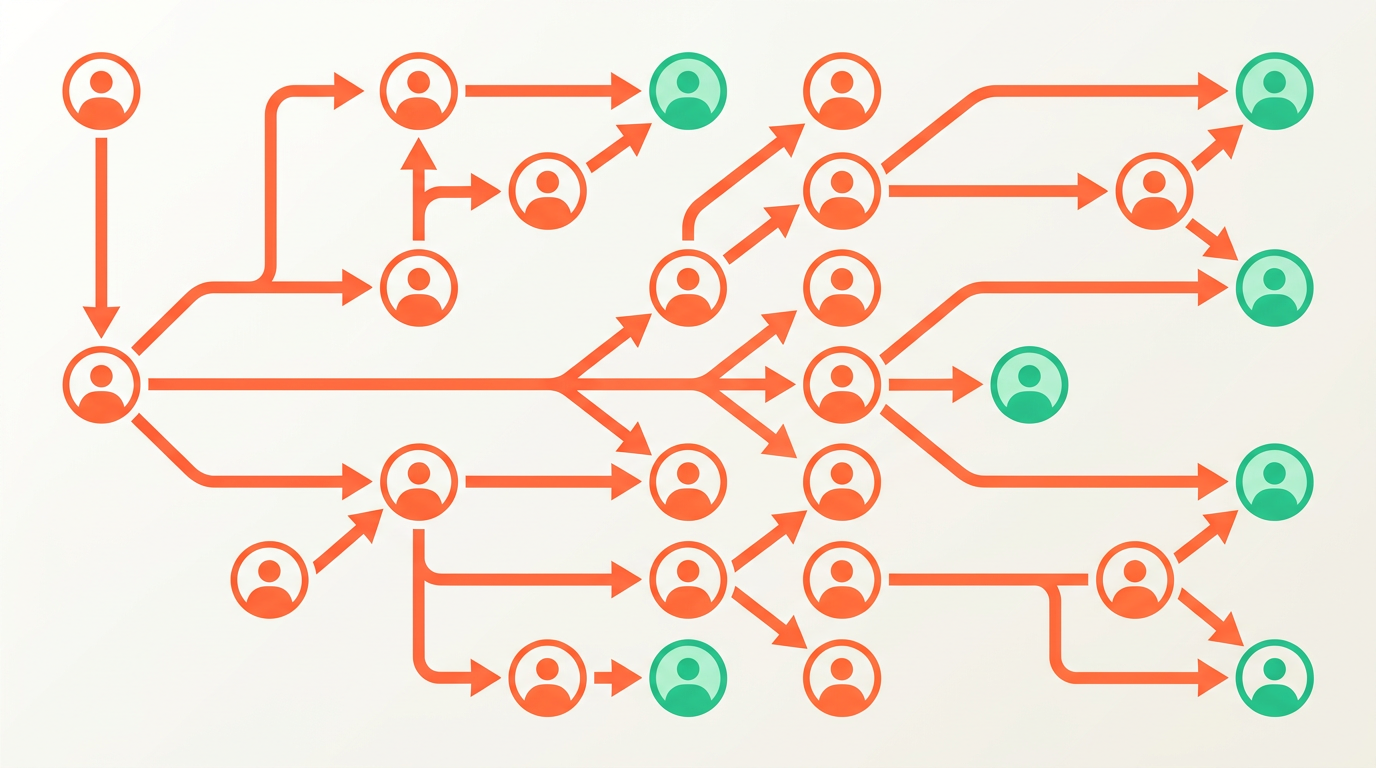
Facebook Groups deliver 30-60% organic reach versus 2-6% for Pages. The strategy that works in 2026: join 100+ niche groups, post content that provides genuine value before any promotion, vary your messages across groups, maintain a consistent 3x per week cadence, and move engaged members toward a direct conversation. Automation handles the distribution, you handle the strategy.
Every year someone declares Facebook dead. Every year, hundreds of thousands of small businesses quietly generate their best leads from Facebook groups, while their competitors are burning money on ads targeting cold audiences.
Facebook Groups are one of the last places on the internet where organic reach still works. Pages are throttled. LinkedIn is increasingly crowded. Email open rates keep dropping. But a well-timed post in a relevant, active group can reach 40% of members and generate hundreds of clicks, comments, and direct messages from genuinely interested people.
The businesses winning here aren’t doing anything mysterious. They’ve figured out three things: which groups to be in, what content actually gets engagement (versus getting ignored or removed), and how to convert group visibility into actual customers. This guide covers all three.
Why Facebook Groups Still Outperform Other Channels
The numbers are stark. A Facebook Page post reaches roughly 2-6% of your followers organically — and that number has been declining for years as Facebook prioritizes paid reach. A post in an engaged Facebook Group? It can reach 30-60% of members, sometimes higher in smaller, tightly moderated communities.
Groups create three advantages that Pages and ads don’t:
Permission-based audiences. People joined the group around a specific topic. A “Real Estate Investors of Dallas” group is full of people interested in real estate investment. A “Freelance Designers” group is full of people who identify as designers. You’re not targeting — you’re participating in a pre-formed audience.
Trust environments. Members trust other members more than they trust brands. When you post in a group and people see you as a contributor rather than an advertiser, the trust transfer to your business is real.
Algorithmic preference. Facebook’s algorithm prioritizes content that drives engagement. Groups consistently outperform Pages in this metric because members are more likely to comment and react to content from people they perceive as peers.
If you're a member of 200 Facebook groups averaging 10,000 members each, your total addressable audience through organic group posting is 2,000,000 people. A 5% engagement rate means 100,000 people see your content in a single campaign round. No paid budget required. A Facebook auto poster like NinjaPoster automates this distribution while keeping your posting organic through its organic multi-group posting system.
Phase 1: Building Your Group Map
The mistake most people make is joining groups randomly or posting to whatever they’re already in. A deliberate group strategy starts with research.
Finding High-Value Groups
Search Facebook for keywords related to your niche, product, or target customer’s identity. A business coach targeting female entrepreneurs might search “women in business,” “female entrepreneurs,” “women-owned business,” “boss babes” (yes, those groups are massive), and industry-specific terms.
When evaluating a group, look at:
Activity level. Scroll through the last 10 posts. What’s the date of the most recent one? In an active group, you’ll see posts from today. In a dead group, the most recent post might be from 6 weeks ago. Dead groups waste your time.
Comment engagement. A group with 50,000 members but 0-2 comments per post is a dead audience. A group with 5,000 members where posts regularly get 20-50 comments is live and valuable. Comments are the signal, not member count.
Posting rules. Most groups have rules pinned at the top. Read them before joining and definitely before posting. Groups that explicitly allow promotional content on specific days (“Self-Promo Saturday”) are easier to work with. Groups with strict no-promo rules require different content — educational and value-first only.
Admin moderation. Active admins mean the group stays clean. Lazy admins mean the group fills with spam over time. A group with active admins who enforce standards is worth more because the audience quality is higher.
Organizing Your Groups Into Lists
Once you’ve joined 100+ relevant groups, the next step is organizing them. NinjaPoster lets you create Group Categories, which are essentially lists you can target with specific campaigns.
A real estate agent might create lists like: “Local Buy-Sell Groups,” “Real Estate Investment Discussion,” “Home Buyer/Seller Support,” and “Local Community Groups.” A product announcement goes to buy-sell groups. Market analysis goes to investment groups. Community-appropriate content goes to local groups.
This segmentation matters because content that performs in one type of group often falls flat in another. Organized lists let you match the right message to the right audience.
Phase 2: Content That Groups Actually Accept
The biggest error in group marketing is treating groups like free ad boards.
Group members see through it immediately. They’re there for community and information, not to be marketed to. The businesses that get the most leads from groups are the ones who genuinely participate, not the ones who post and disappear.
Content Formats That Get Engagement
Educational posts. “3 things I wish I knew before [topic]” is a format that consistently outperforms others. Insider knowledge framed as lessons resonates because it delivers real value with no obligation.
Story-driven posts. Share a client result, a personal journey, or a before-and-after situation. “We helped a local bakery increase its Facebook group reach from 200 people to 12,000 in 90 days — here’s exactly what we did” is irresistible to the right audience. Stories outperform bullet-point promotions by a wide margin.
Problem-acknowledgment posts. “Does anyone else find [common frustration] exhausting?” This sparks discussion, positions you as a peer who gets it, and surfaces the exact people who need what you offer. Comments fill with potential customers who are actively identifying themselves.
Contrarian takes. Disagree with conventional wisdom in your industry, but back it up. These posts generate debate, which generates reach, which generates visibility for people who engage with either side.
Direct value. Free guides, checklists, templates, tools. No strings attached. These build credibility faster than any sales post, and people remember who gave them something useful.
Message Variation Across Groups
When you post the same message to 200 groups, even with good intentions, identical content is a risk. Group admins compare notes. Facebook’s systems notice patterns. Small businesses that vary their messaging even slightly — different opening line, different example, different CTA — stay in groups longer and avoid content restrictions.
NinjaPoster handles this automatically through AI variation and spintax. For more detail on how spintax works and when to use it, see the guide on using spintax for Facebook group posts.
Across most niches, the highest-performing group post format is: one specific claim or result in the first line (no fluff), two or three sentences of explanation, and a soft CTA at the end that invites conversation ("Curious if anyone else has seen this — comment below or DM me"). Keep it under 200 words. Longer posts get skimmed.
Phase 3: The Posting Cadence
Consistency beats intensity. Posting 100 groups three times per week delivers better results than posting 500 groups once per month. Group members need to see your name multiple times before they start connecting you with what you do.
A sustainable posting rhythm looks like this:
| Day | Content Type | Target Groups |
|---|---|---|
| Monday | Educational post (tips, insights) | Group List A |
| Wednesday | Story or case study | Group List B |
| Friday | Value post (free resource) or social proof | Group List C |
Rotate through your group lists so the same groups aren’t receiving content from you every single day. Rotate content types so your presence in a group isn’t always the same format.
Timing matters. Posts that land when members are actually scrolling get more early engagement, which drives more algorithmic reach. The highest-performing windows are 7-9am (morning), 12-1pm (lunch), and 7-9pm (evening). If you’re targeting a specific time zone, plan accordingly.
Phase 4: Converting Group Engagement Into Customers
Reach without conversion is just noise. This is where most group marketing fails.
Your Profile as a Landing Page
When someone sees your post and clicks your name, they land on your Facebook profile. Treat it like a landing page:
Your profile’s Featured section should link directly to your product, service page, or lead magnet. Your bio should state clearly who you are and who you help. Recent posts on your profile should reinforce your expertise.
Most people’s profiles are neglected. Spend 30 minutes optimizing yours and the conversion rate from group visibility to actual leads doubles.
Soft CTAs That Don’t Get Posts Removed
Direct sales CTAs get posts removed. Soft CTAs that invite conversation keep posts live and generate inbound messages:
- “Comment ‘guide’ below and I’ll send you the full breakdown”
- “DM me if you want to see how we approached this for our clients”
- “Happy to share the full case study if anyone’s curious — just say so below”
These work because they don’t look like ads. Group admins leave them up because they’re conversational. And the people who respond have pre-qualified themselves.
The Follow-Up Sequence
When someone comments or DMs after seeing a group post, they’re a warm lead. Don’t pitch immediately. A three-step approach:
- Thank them and deliver whatever you promised (the guide, the case study, the answer to their question).
- Ask one qualifying question about their situation.
- Based on their answer, either continue the conversation naturally or suggest a call if there’s a clear fit.
This sequence works because it feels like a conversation, not a sales funnel.
- Facebook Groups deliver 30-60% organic reach vs. 2-6% for Pages. They're the most underutilized organic channel available in 2026.
- Evaluate groups by engagement quality (comments per post), not member count. A 5,000-member active group outperforms a 50,000-member dead one.
- Organize groups into targeted lists and match content type to group audience. One-size-fits-all posting underperforms.
- Post 3x per week consistently. The businesses winning in group marketing are there every week, not running one big campaign.
- Use educational, story, and value-first content formats. Promotional posts in most groups get removed or ignored.
- Optimize your Facebook profile as a landing page. Profile views from group engagement are the first conversion point.
- Soft CTAs that invite conversation outperform direct sales language and are less likely to get posts removed by admins.
- Follow up every comment and DM with value first, a qualifying question second, and a pitch only when there's a clear fit.
Related Reading
- How to Post to Multiple Facebook Groups at Once (2026 Guide)
- How to Get Leads and Clients from Facebook Groups
- What Is Spintax and How to Use It for Facebook Group Posts
- Facebook Group Posting Rules: What Gets You Banned and How to Stay Safe
- Facebook Group Posting Schedule: Best Times and Frequency for 2026
- How to Use AI to Write Facebook Group Posts That Get Engagement
- 10 Facebook Group Post Templates That Actually Get Clicks
Ready to automate your Facebook group marketing?
NinjaPoster posts to hundreds of groups automatically — safely and organically. Start your 7-day trial today.